A family’s first question
Families seeking educational support often begin with a specific need: tutoring, reinforcement or an after-school program. Cerebritos Panamá presents its options from that starting point. Each program deserves a direct explanation of what it offers and whom it serves.
Clear information matters as much as visual design. If visitors must decode internal names or move through several screens to understand the offer, they may leave before contacting the center.
From program to conversation
The public website lets families explore programs and then find a contact path. A visible route to WhatsApp and the location helps turn research into a real inquiry. Education inquiries often include questions about schedules, ages and availability; the website should make them easy without promising details that may change.
Lulab’s portfolio project page links to the published website so you can explore it from a family’s perspective.
A page designed for phone use
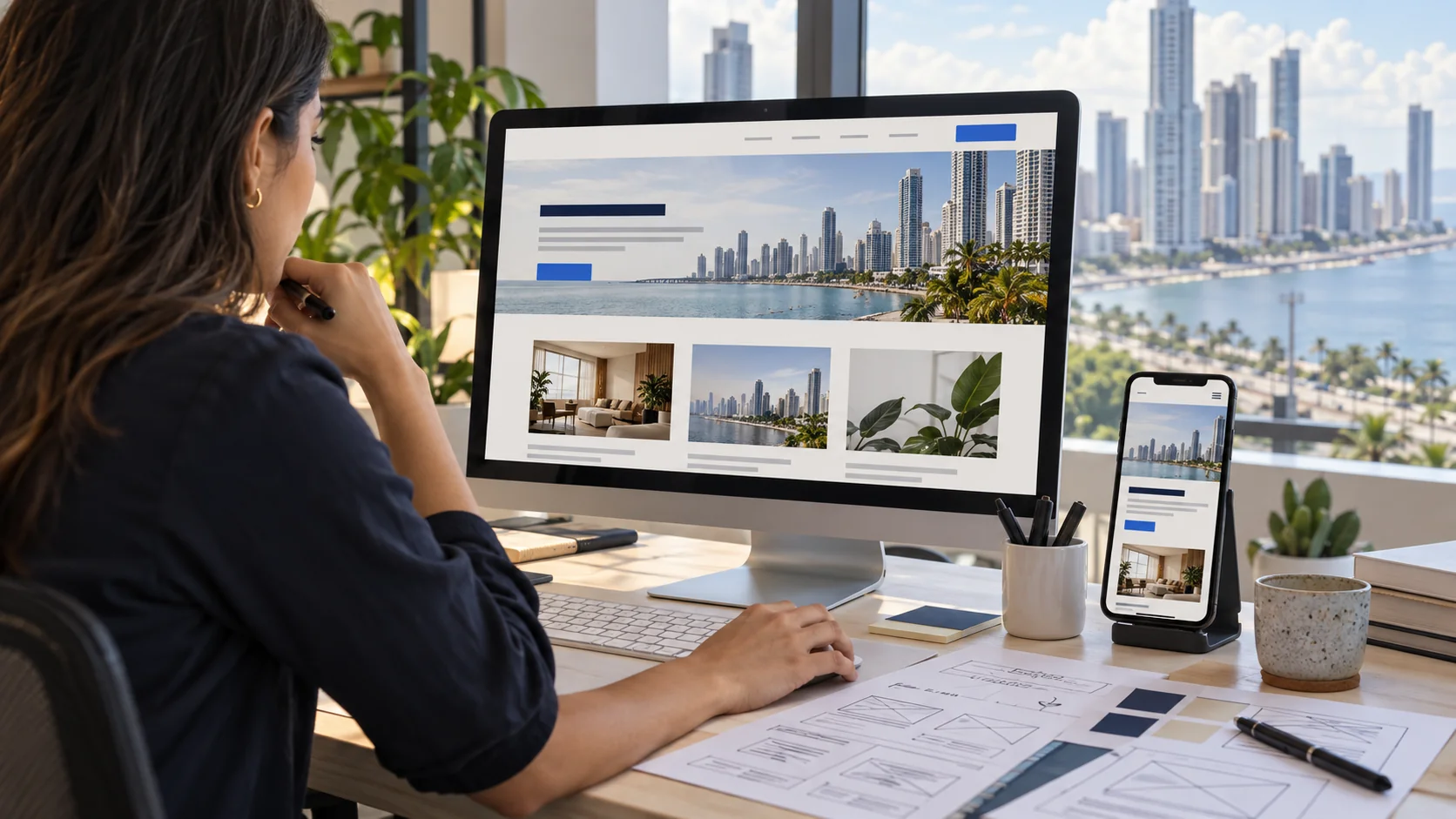
Many families research between activities and trips. Mobile reading order, clear headings and visible contact buttons are therefore part of the service. Photos and color help people recognize the center, but the decision to write depends on essential information being easy to reach.
It also helps when the name, location and contact channels match the business’s public references. Consistency reduces uncertainty before a visit or call.
What another education center can learn
An education website can begin with four questions: what programs exist, whom they serve, where the service is offered and how to ask. Frequently asked questions, calendars or forms can then be added based on the team’s actual needs.
Cerebritos provides a concrete example of presenting an offer and contact route. If you run an academy or learning support center, explore the published site and note where a family may need a faster answer. That list is a useful starting point for your own website.